Setting up a way to worK
Less “what should we build next,” more “what’s the actual problem we’re solving?”
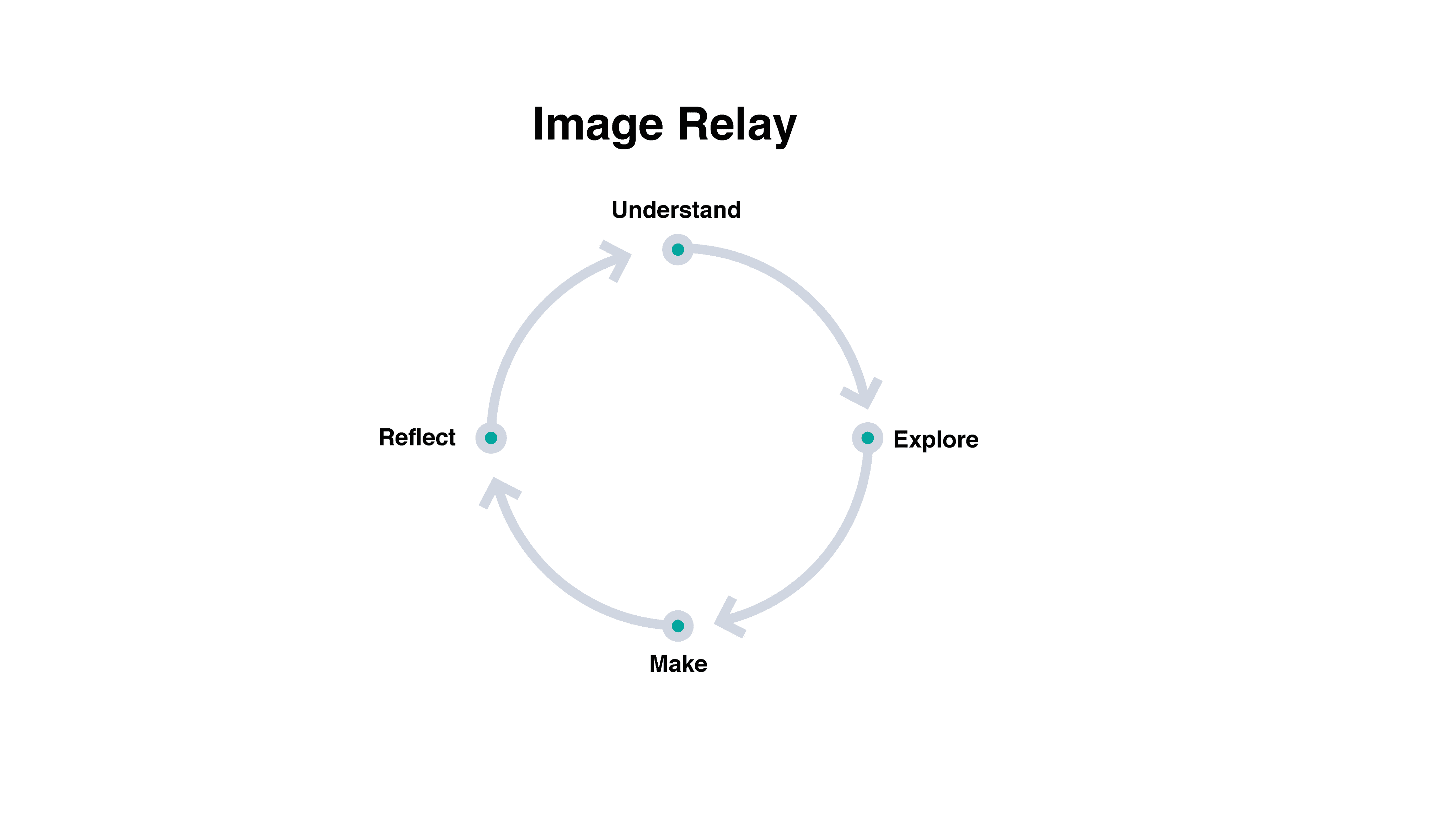
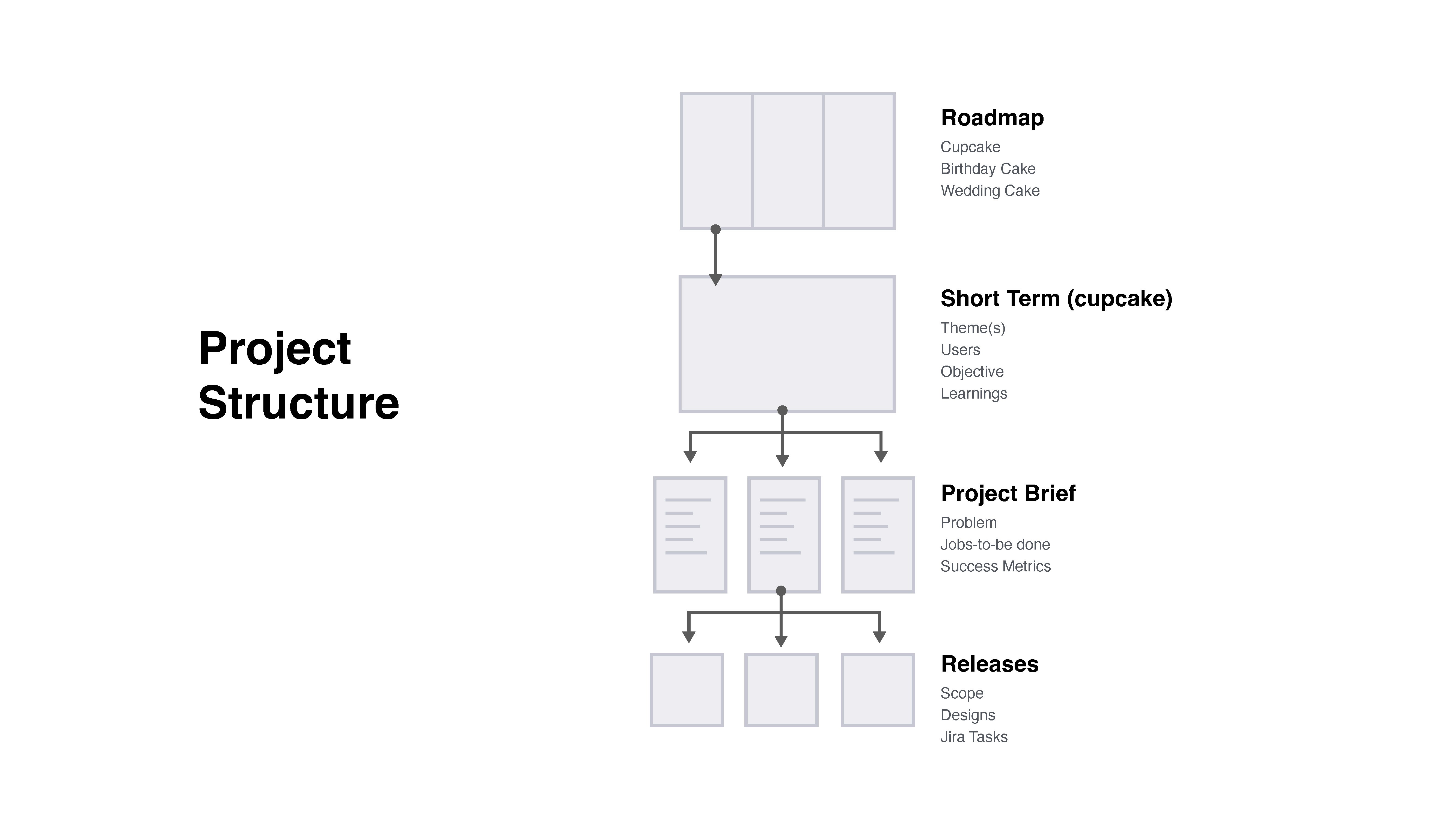
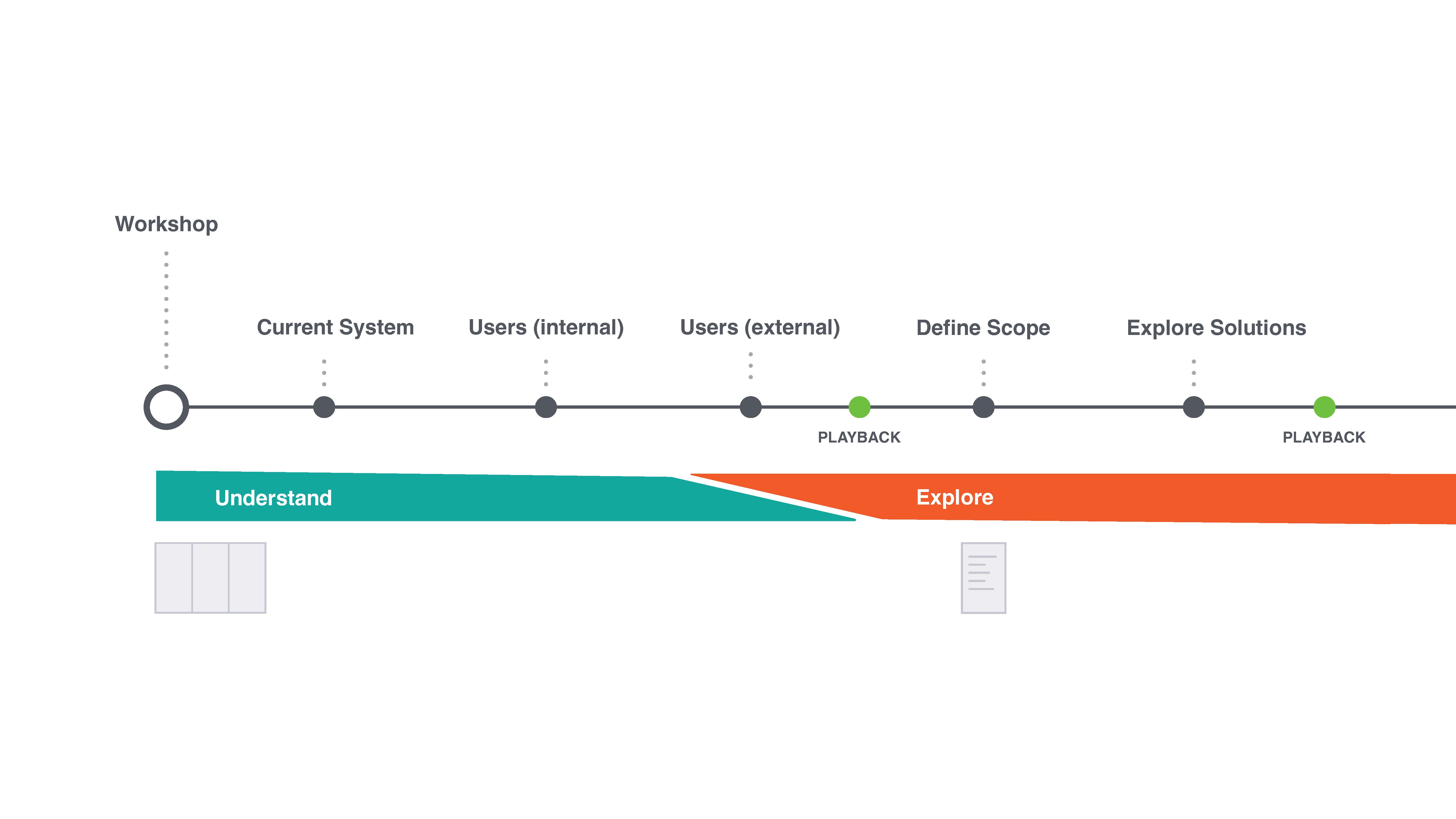
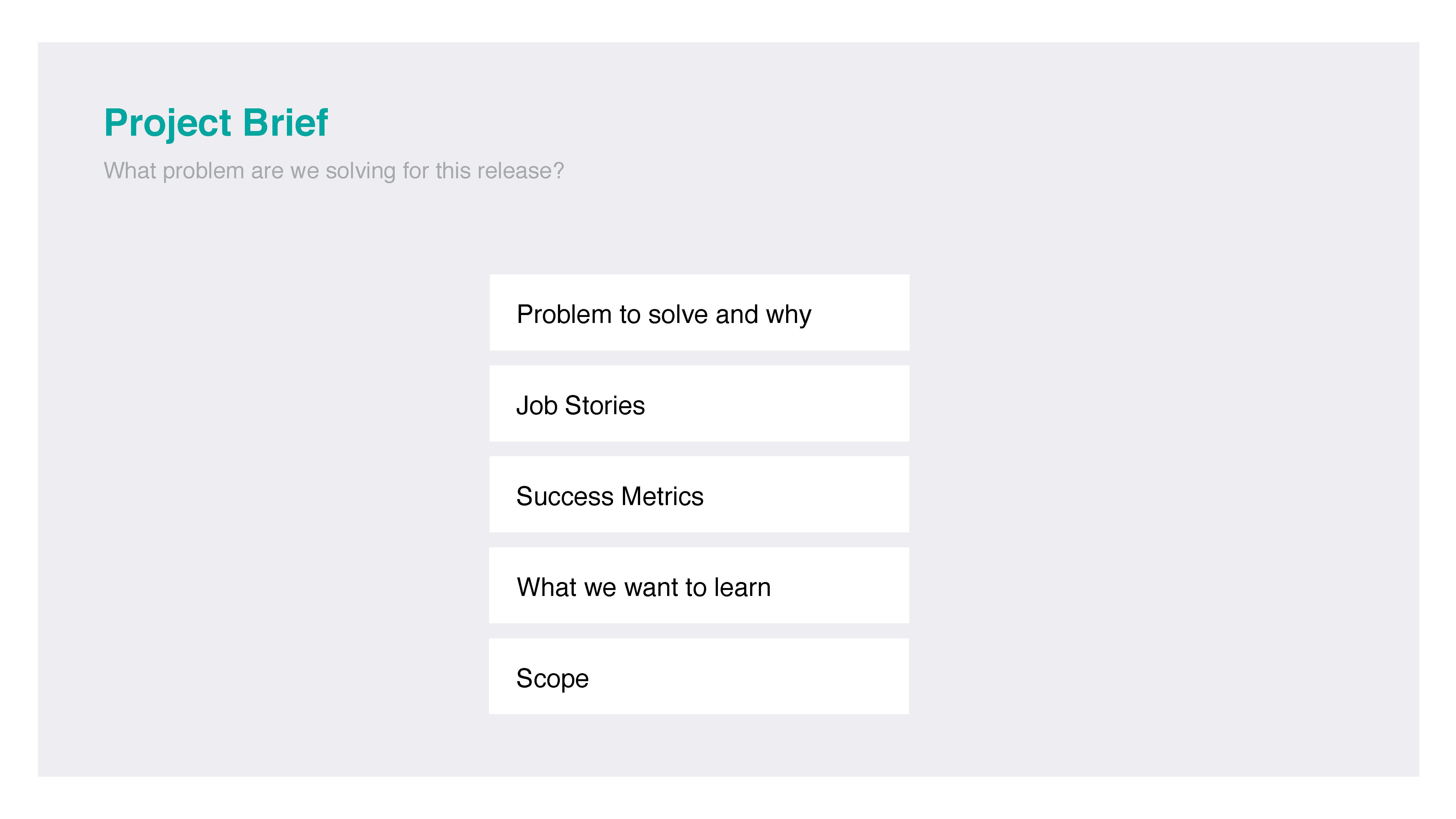
When I rejoined Image Relay full-time in 2016, the team was small, scrappy, and good at shipping. What it lacked was a shared way to decide what to ship and why. I introduced a lightweight design-thinking framework—Understand, Explore, Make, Reflect—alongside project briefs, research, and a roadmap organized around real customer needs.
From roadmap to product
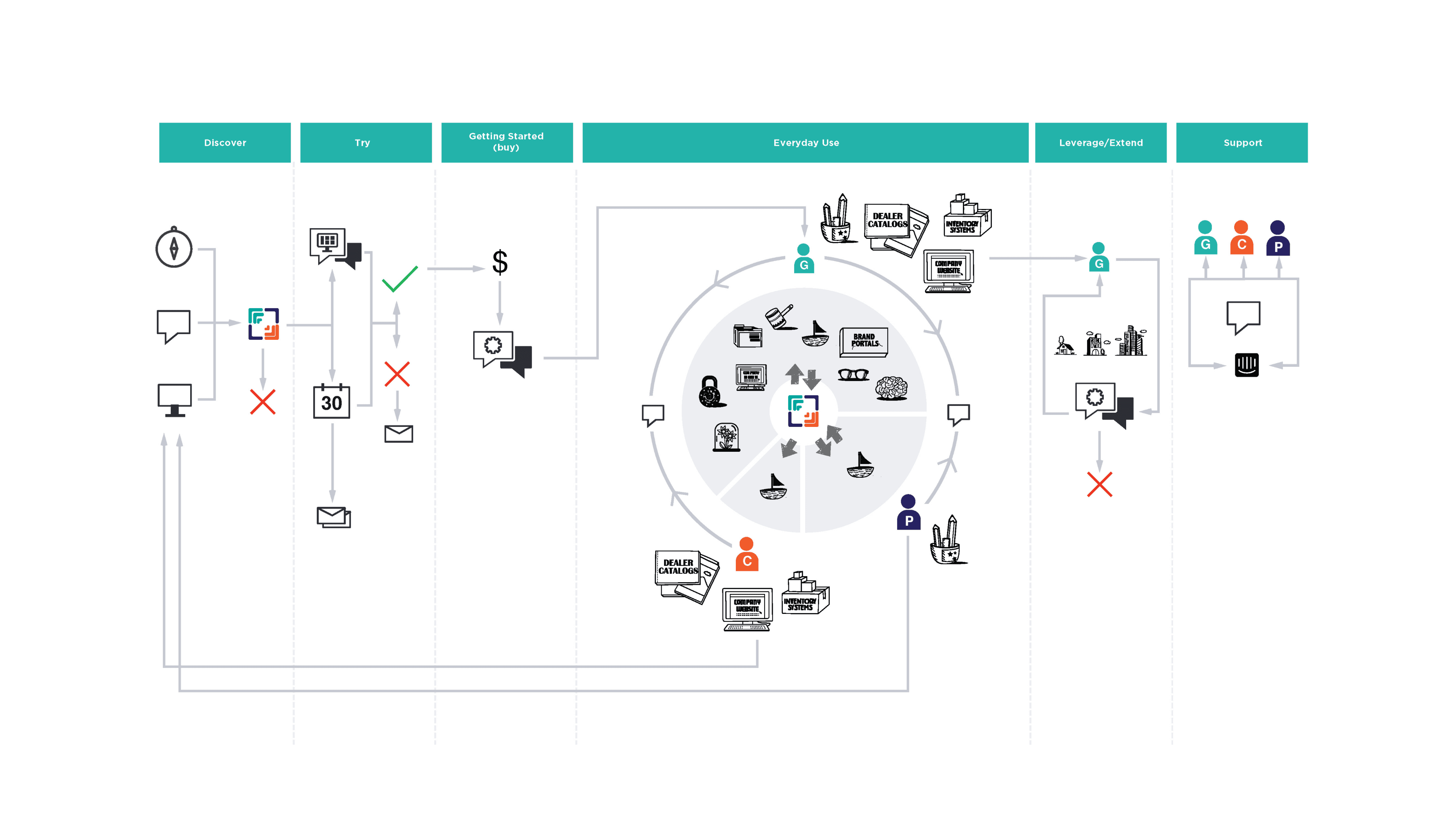
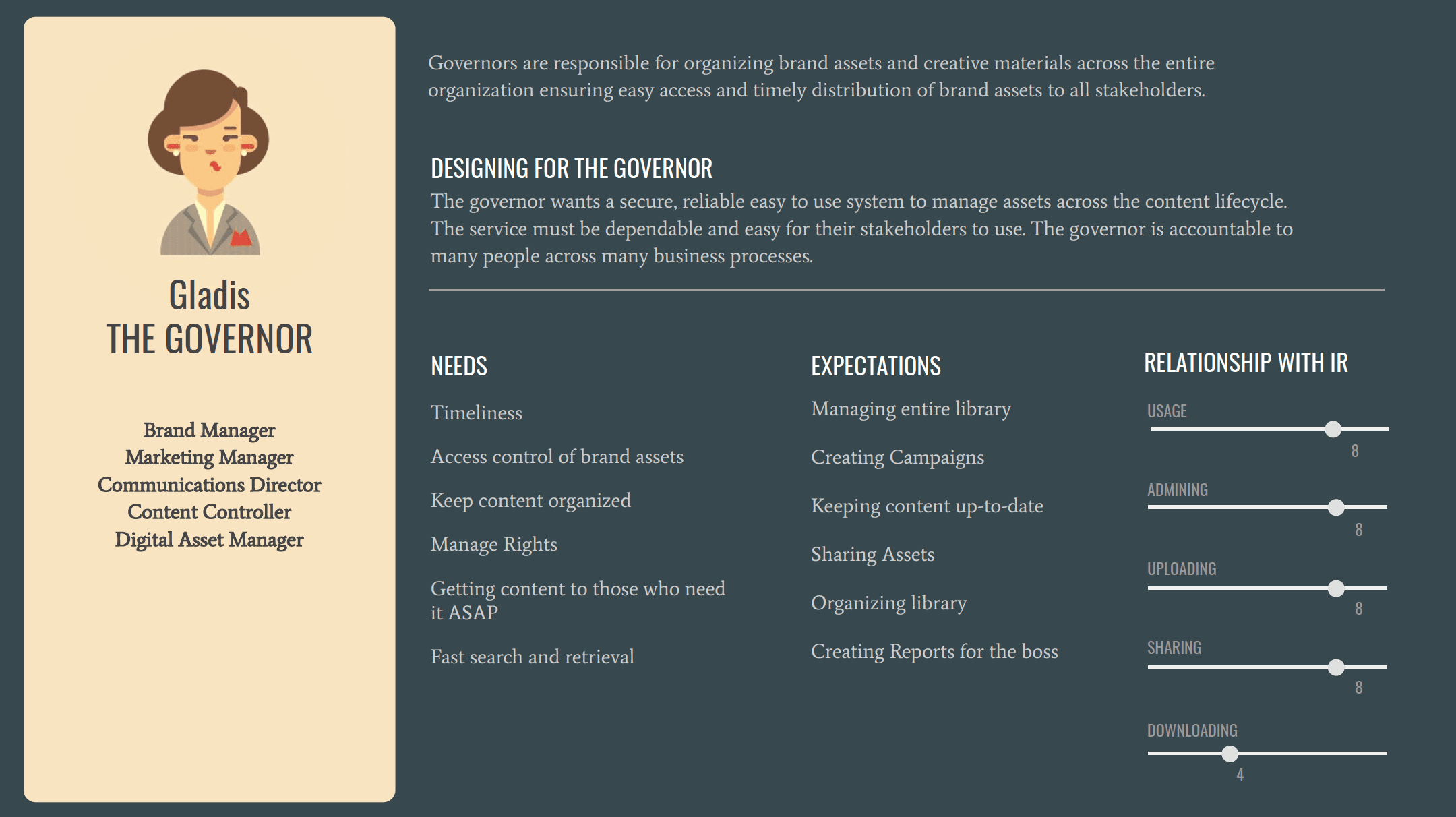
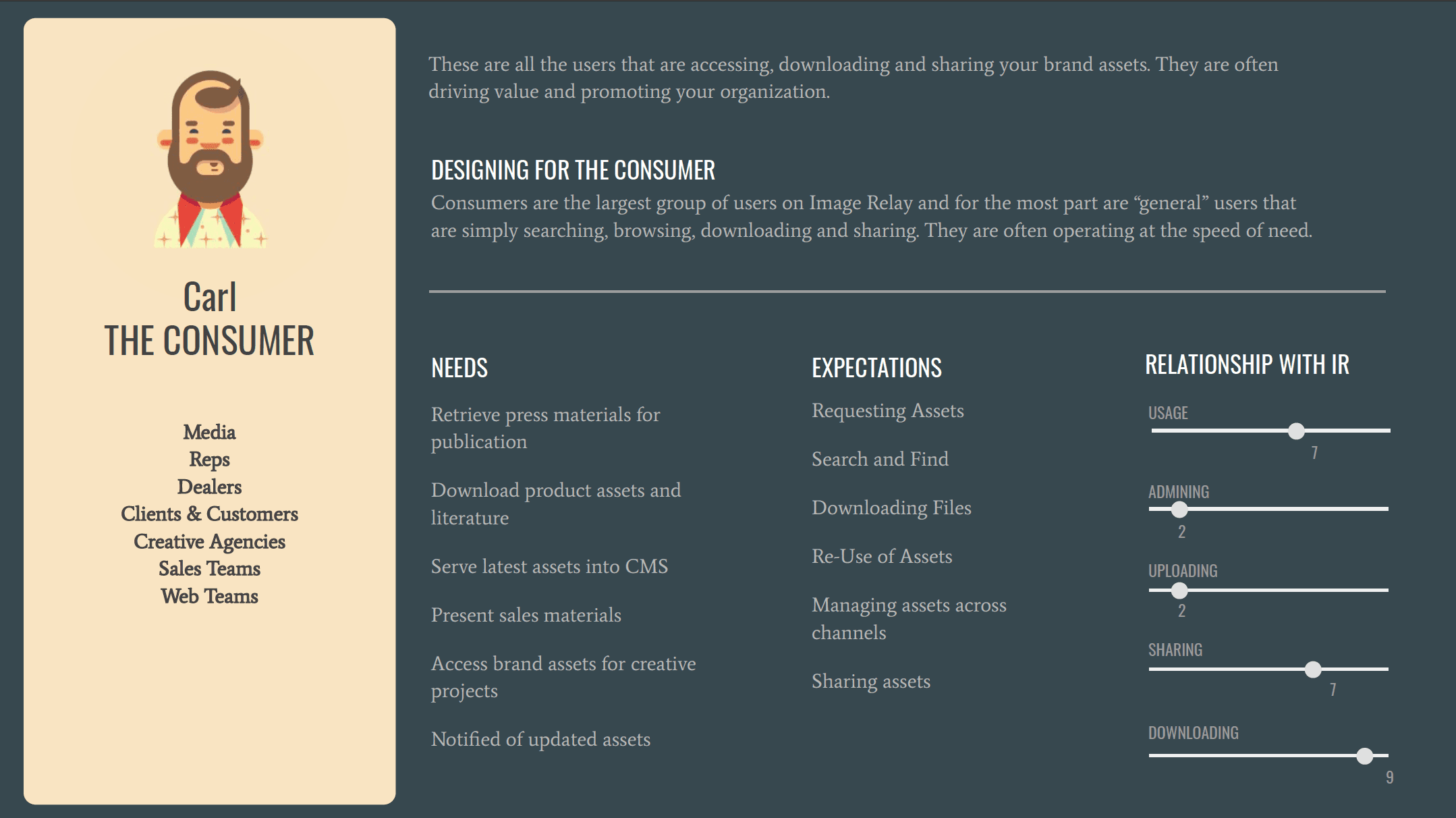
A full-day roadmap workshop helped the team map the product’s six core experiences, define three user types—the Governor, Producer, and Consumer—and create a practical path forward around Governance and Sharing, Triggers and Notifications, and Collaboration.
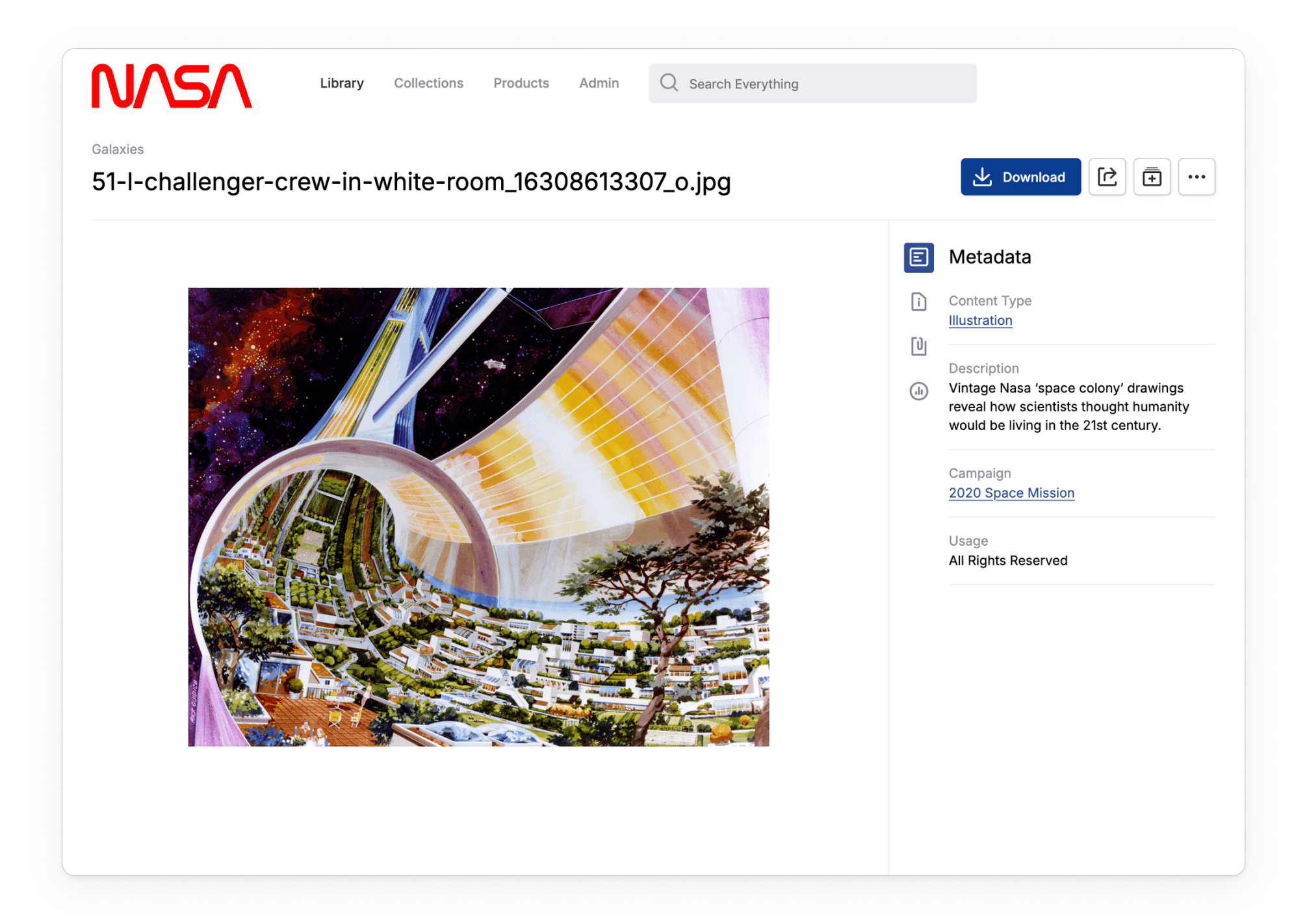
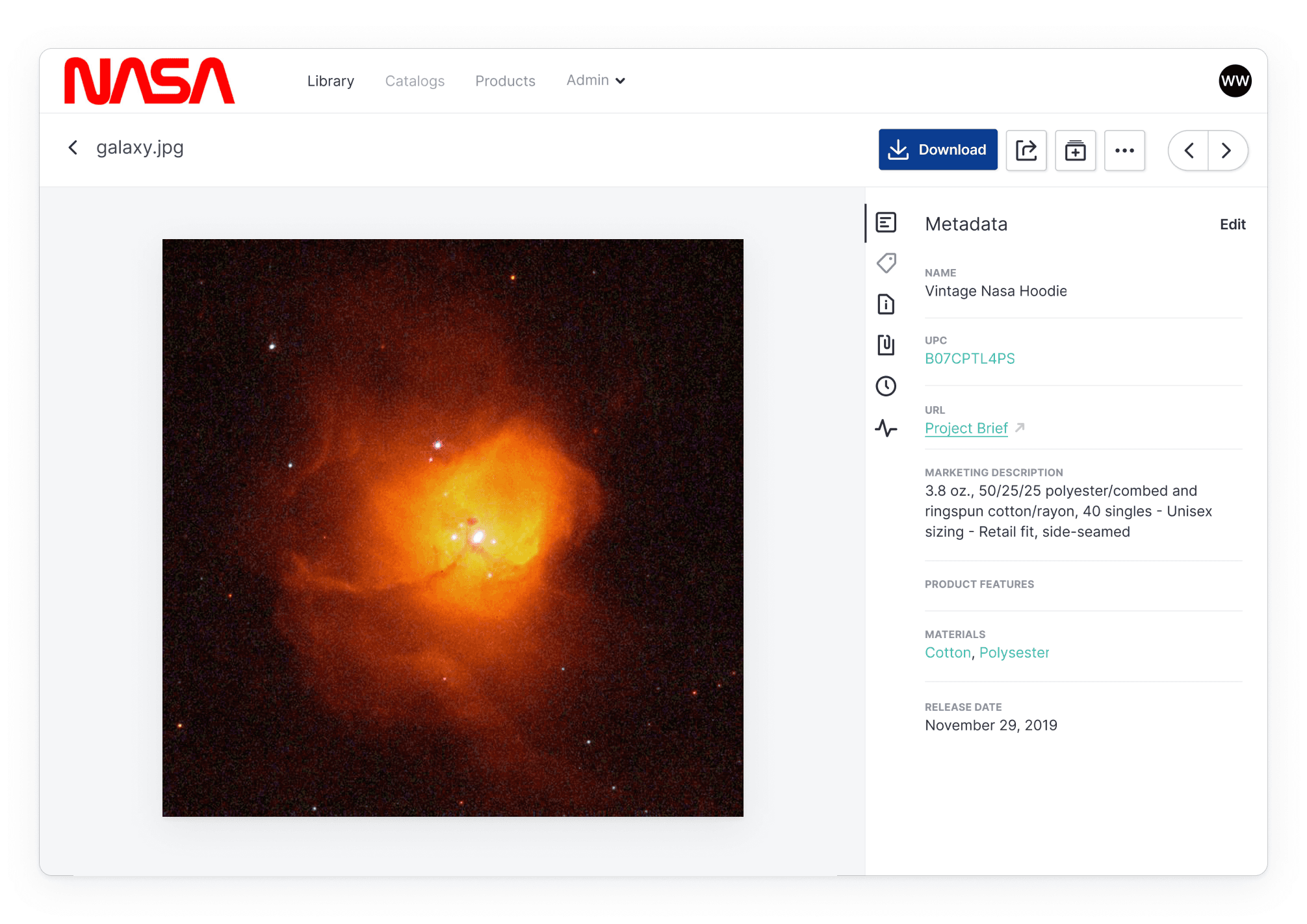
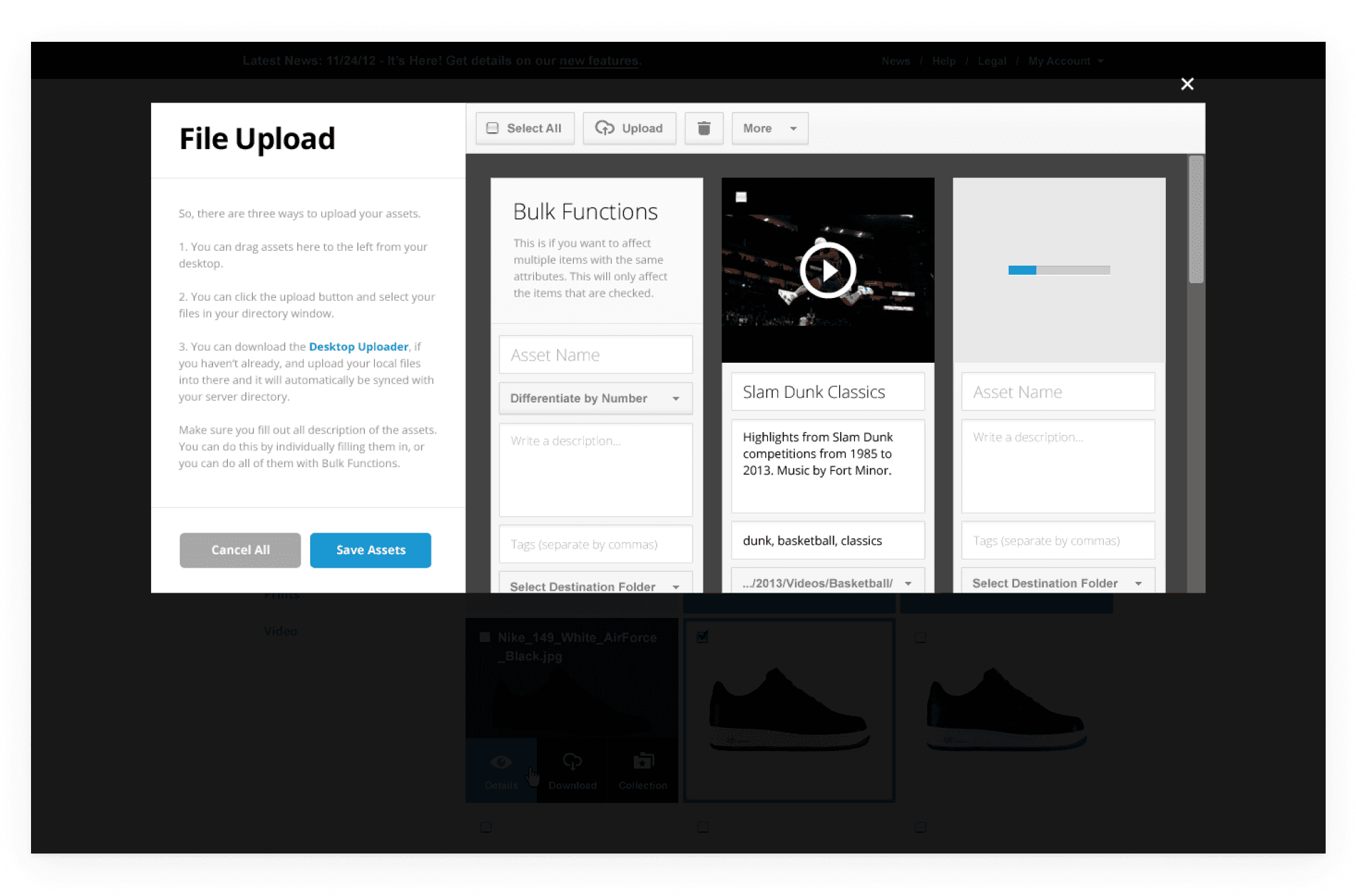
Redesigning the core DAM
A full redesign of the digital asset management experience became the product’s pivotal next step. Grounded in user research and iterative customer feedback, we introduced the new system through a controlled client rollout.
The phased launch paired in-product choice with clear walkthroughs, giving teams time to transition on their own terms. Over six months, the redesign moved from pilot to full adoption—while support conversations pointed to strong customer reception and retention remained high.
Library Iterations


Asset View Iterations

Upload Iterations

The rest of the story
The other hats
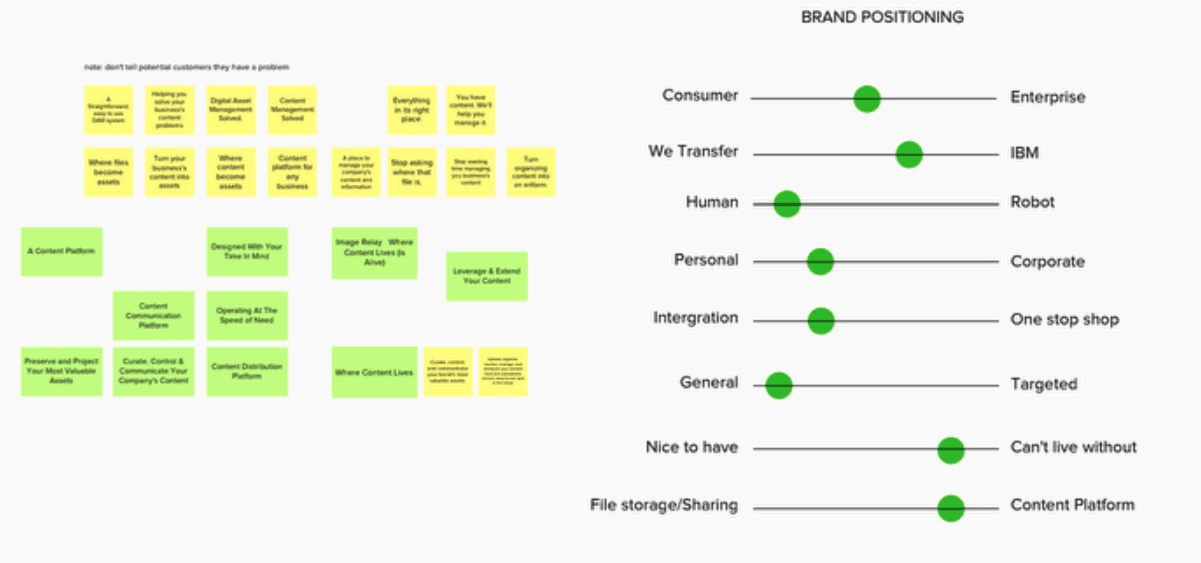
I introduced Airtable and a shared feature backlog so the team could prioritize from a single source of truth. In parallel, I architected and designed the marketing site with a writer, helping the brand feel cohesive across the product and its front door.



A bigger bet: PIM
For the company’s largest planned launch, I made the case for a product information management offering. I led the early strategy: customer discovery, project briefs, test plans, a pitch deck, and a results narrative the team could rally around. The work was about 60% to launch when I moved on.

What I took with me
Being the only designer at a small SaaS company taught me to make trade-offs in real time, build systems that scale beyond one person, and keep learning close to the work. It also made clear what can fall down when one person is doing all of it—a useful lesson to take into bigger teams.